Guide
Marrying a foreigner in South Africa: requirements, Home Affairs interview and timeline
Updated 11 November 2026
For South Africans marrying a foreign partner: the documents, the Home Affairs interview, how long it takes, and what the marriage does and does not change about a visa.
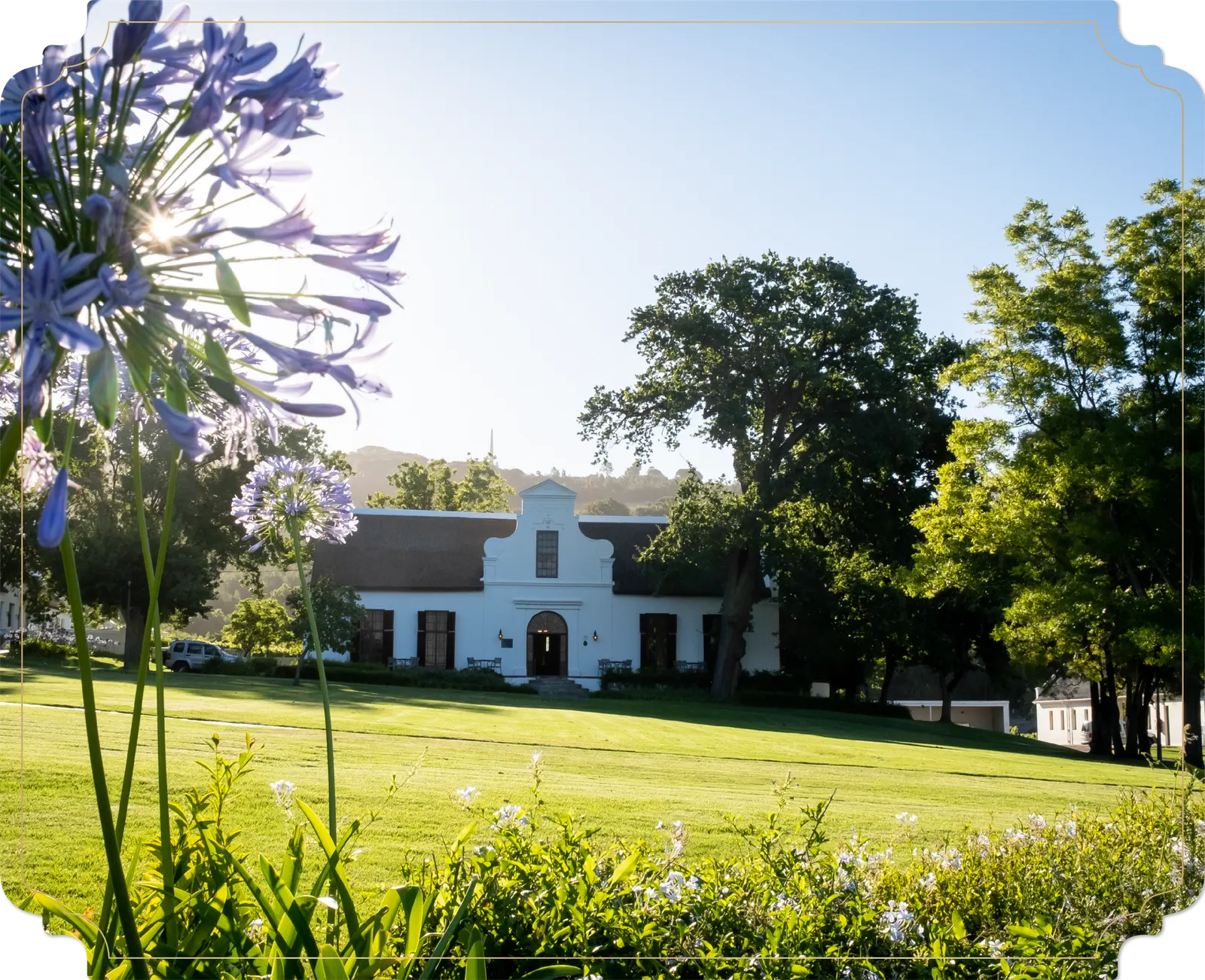 Laborie Estate · Paarl
One enquiry reaches every venue and supplier on this page. You do not need to contact them one by one. Send your date once and we ask the ones that fit whether they are free and what they charge. Free for couples.
Ask them all at onceA South African can marry a foreign national in South Africa, at Home Affairs or at a wedding venue with a private marriage officer. The difference from a wedding between two South Africans is one extra step: because of the rules against marriages of convenience, both of you must attend an interview at the Department of Home Affairs before the wedding. Home Affairs then issues a letter that the marriage officer needs before the ceremony can go ahead. Plan for that step first and the rest is the same as any other wedding.
TipLast checked: 9 November 2026. Home Affairs offices apply these rules differently and the lists change. Confirm the current requirements with your nearest Home Affairs office and your marriage officer before you set a date. This page is general information, not legal or immigration advice.
Who can marry
- Both of you must be 18 or older.
- Neither of you may be married to someone else. If either of you was married before, you need the court-stamped divorce decree or the late spouse's death certificate.
- The foreign partner must be in South Africa legally, on a valid visa. A visitor's visa is enough to marry.
- The marriage must be genuine. A marriage entered into only to obtain immigration status is a criminal offence under South African law.
The documents
Bring originals and certified copies to the interview. The core list is:
- The South African partner's green barcoded ID book or smart ID card
- The foreign partner's valid passport, with the visa or entry stamp
- Proof that the foreign partner is free to marry: a letter of no impediment, certificate of no record of marriage or single-status affidavit from their country or embassy, usually apostilled and less than six months old
- The BI-31 declaration that you are legally free to marry, completed at Home Affairs
- Where either of you was married before: the court-stamped divorce decree or the death certificate
- Sworn English translations of any document in another language
What counts as proof of single status depends on the foreign partner's country. The UK, for example, does not issue a letter of no impediment for marriages abroad, so British partners usually obtain a letter from the British High Commission instead. Our guide for foreign couples has country notes for the UK, Germany, the Netherlands and the US.
The Home Affairs interview
Both partners attend an interview with an immigration officer at a Home Affairs office, at least two weeks before the wedding. You may be interviewed separately and asked about how you met, how long you have been together, each other's families and your plans, so the officer can judge that the relationship is genuine and that you are both marrying freely. The officer also checks the foreign partner's documents. If the interview goes well, Home Affairs issues a letter confirming that you may marry, and that letter is handed to the marriage officer before the ceremony.
Getting an interview date is the hardest part. Marriage officers report that slots are often booked months ahead, and the festive season is slower still. Without the interview and letter the marriage cannot be registered, so book it before you pay deposits on a venue. If your date is close and you have no interview yet, see immigration help for couples.
How long it takes
- Three months or more before the wedding: request the foreign partner's proof of single status and have it apostilled, timing it so it is still under six months old on the day.
- About three months before: contact your Home Affairs office to register your intention to marry and book the interview. Book your marriage officer and send them copies of the documents.
- At least two weeks before: attend the interview together and collect the letter.
- Wedding day: the marriage officer conducts the ceremony, you and two witnesses sign the register, and the officer lodges it with Home Affairs.
- After the wedding: collect the abridged marriage certificate from Home Affairs, and apply for the unabridged certificate if the foreign partner's country or a visa application needs it.
Home Affairs ceremony or a private marriage officer
Two ways to marry once the interview is done
| At Home Affairs | Private marriage officer at a venue | |
|---|---|---|
| Cost | Free | Roughly R5 500 to R6 500, depending on travel, the day and the paperwork |
| Where | At the office | At your venue, garden, chapel or lawn |
| Ceremony | Short and procedural | Personalised, civil or religious |
| Interview and letter | Required | Required: the officer needs the Home Affairs letter |
The Home Affairs letter allows you to marry anywhere in the country, so the interview does not tie you to a ceremony at the office. Many couples marry at Home Affairs on a weekday and hold the celebration at a Winelands venue later, or have a marriage officer conduct the legal ceremony at the venue. Ask any officer you shortlist how many marriages to foreign nationals they have done and what they need from you before the day.
Marriage officers in the Winelands
Paarl · marriage officer
FeaturedGreg Otto, Marriage Officer
Pastor Greg Otto is a registered marriage officer based in Cape Town who travels to venues in Paarl, Stellenbosch and the wider Winelands, with an all-inclusive ceremony fee.
Paarl · marriage officer
FeaturedPierre Muller, Marriage Officer
Pastor Pierre Muller of PIN Ministries is a registered marriage officer from the northern suburbs who travels to Winelands venues, with one fee that covers the paperwork, travel and registration.
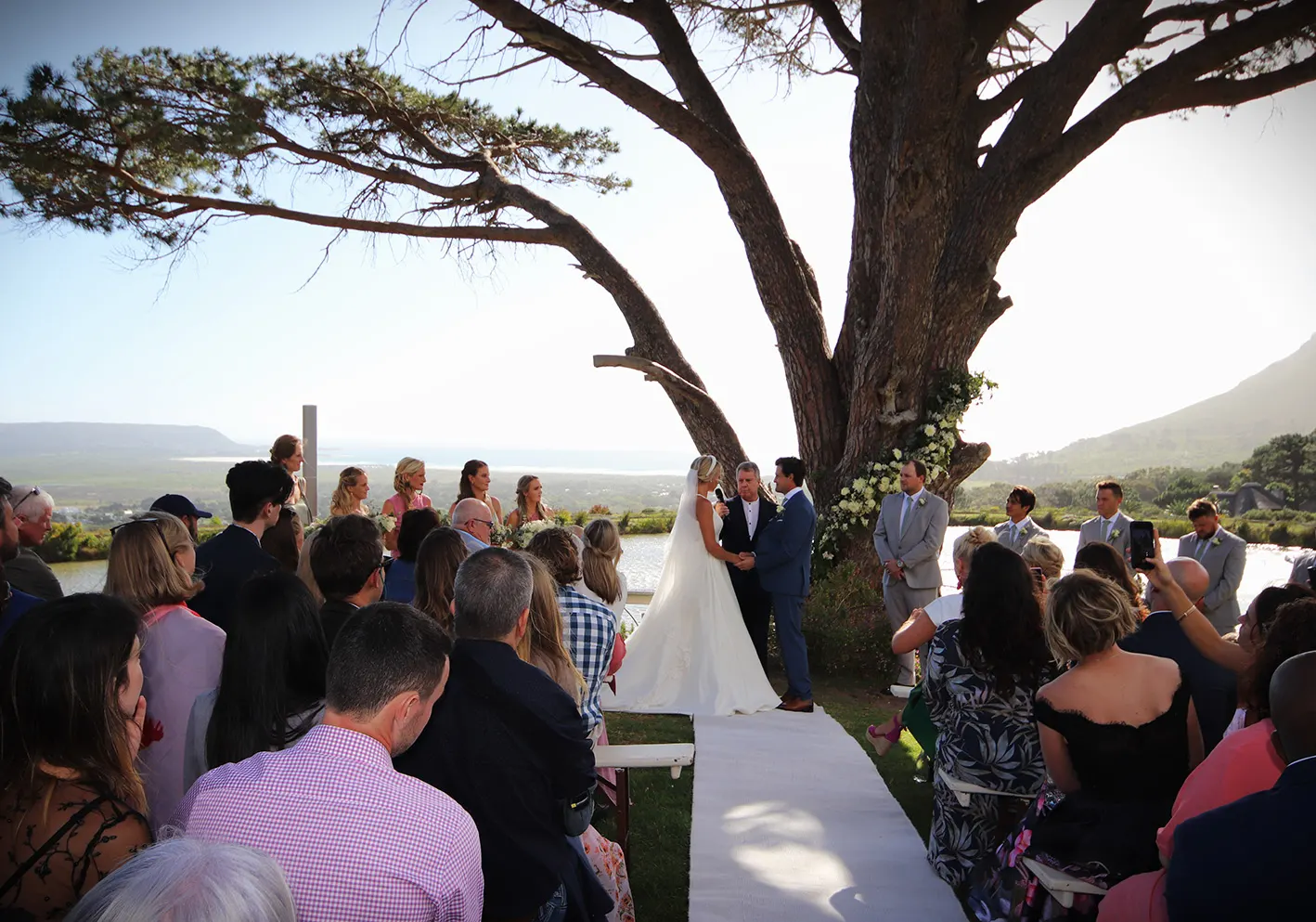
Stellenbosch · marriage officer
Cape Marriages
Willie Viljoen is a licensed and registered marriage officer with almost four decades of ceremonies behind him, conducting religious, semi-religious and non-religious weddings across the Western Cape. He handles the Home Affairs registration as part of the service.
Stellenbosch · marriage officer
Fairest Cape Weddings
Marriage officer Johan Botha, appointed by Home Affairs, performing civil, non-denominational and Christian ceremonies in English or Afrikaans across Cape Town, the Winelands, Boland and Overberg.
Paarl · marriage officer
I Do Weddings
A Cape Town marriage officer, Dion Goldie, with more than 17 years' experience, licensed for civil, religious and same-sex civil union ceremonies, who also handles certificates and apostilles for overseas couples.
Stellenbosch · marriage officer
Matters of the Heart
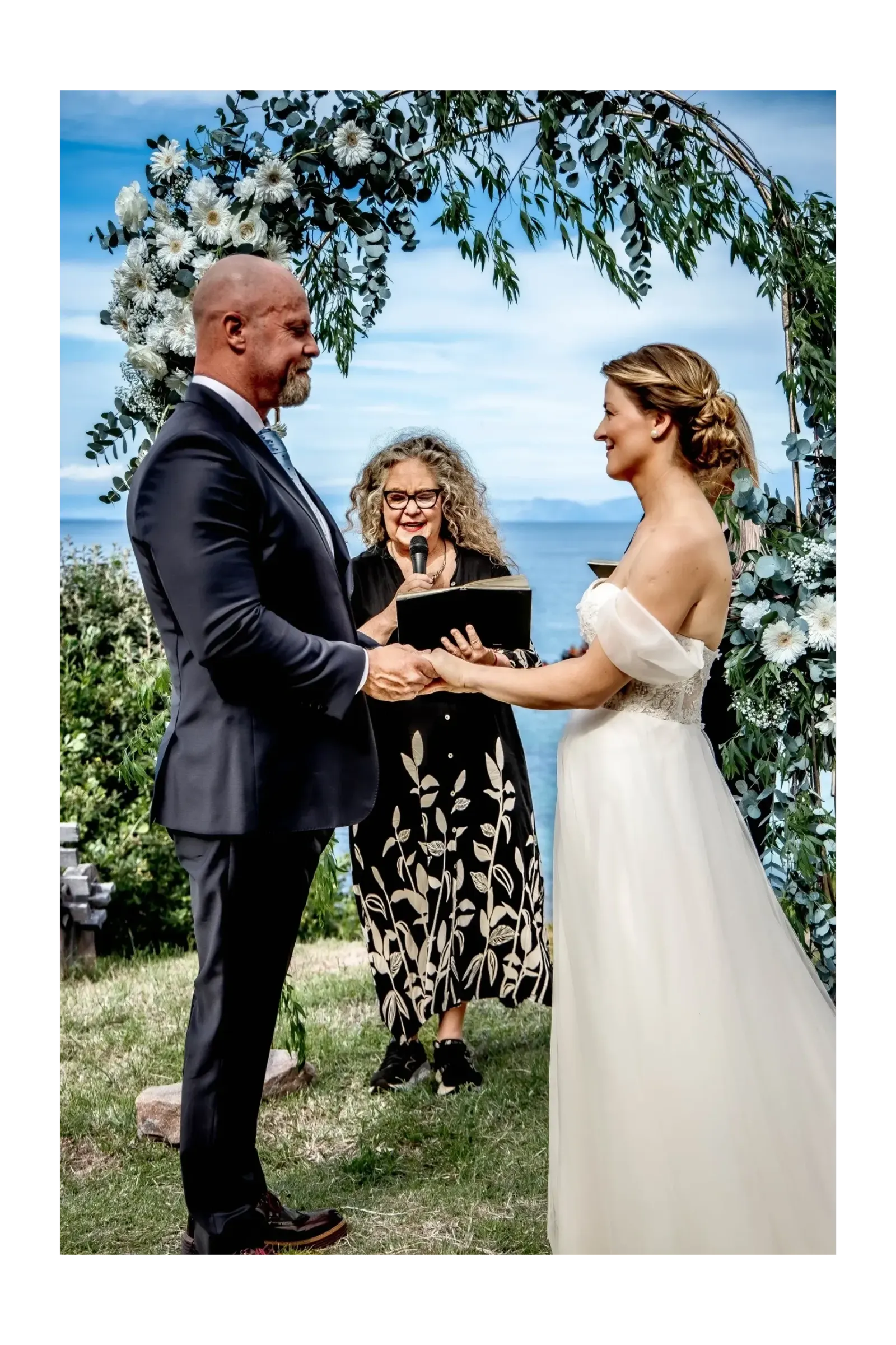
Jaqueline Dommisse designs custom, secular wedding ceremonies from her Muizenberg base, drawing on a background in theatre and writing. She also handles the ceremony paperwork so the couple can concentrate on the day.
What marriage does not change: visas and residence
Marrying a South African does not by itself change the foreign partner's immigration status. They need to apply separately for a visa based on the relationship, and a marriage that is legal and registered, with the certificate to prove it, is the starting point for that application. Immigration lawyers recommend applying for the right visa well before the current one expires, because staying on after it lapses can lead to the foreign partner being declared undesirable. Speak to an immigration practitioner about which visa fits your situation and the documents Home Affairs will want. A printed marriage certificate is preferred for visa applications. Our spousal visa guide sets out the main routes.
Property: in or out of community of property
If you sign no antenuptial contract before the wedding, the marriage is registered in community of property, South Africa's default. Where one partner is foreign, which country's law governs your property can depend on where the husband or the couple is domiciled when you marry, so if either of you owns property or has children, speak to a South African attorney about an antenuptial contract. It must be signed before a notary before the ceremony.
Planning the wedding itself
Once the paperwork is in hand, the rest is an ordinary Winelands wedding. If family is flying in from abroad, our guest travel guide covers flights, entry rules and where to stay, and the Winelands wedding cost guide shows what a wedding for 50, 100 or 150 guests costs. If the paperwork is more than you want before the date, you can marry at Home Affairs first and hold a symbolic ceremony at the venue.