Guide
Immigration help for couples marrying in South Africa
Updated 11 November 2026
When one of you is not South African, the hard part is usually Home Affairs, not the wedding. What an immigration specialist does, when you need one, and how to get help.
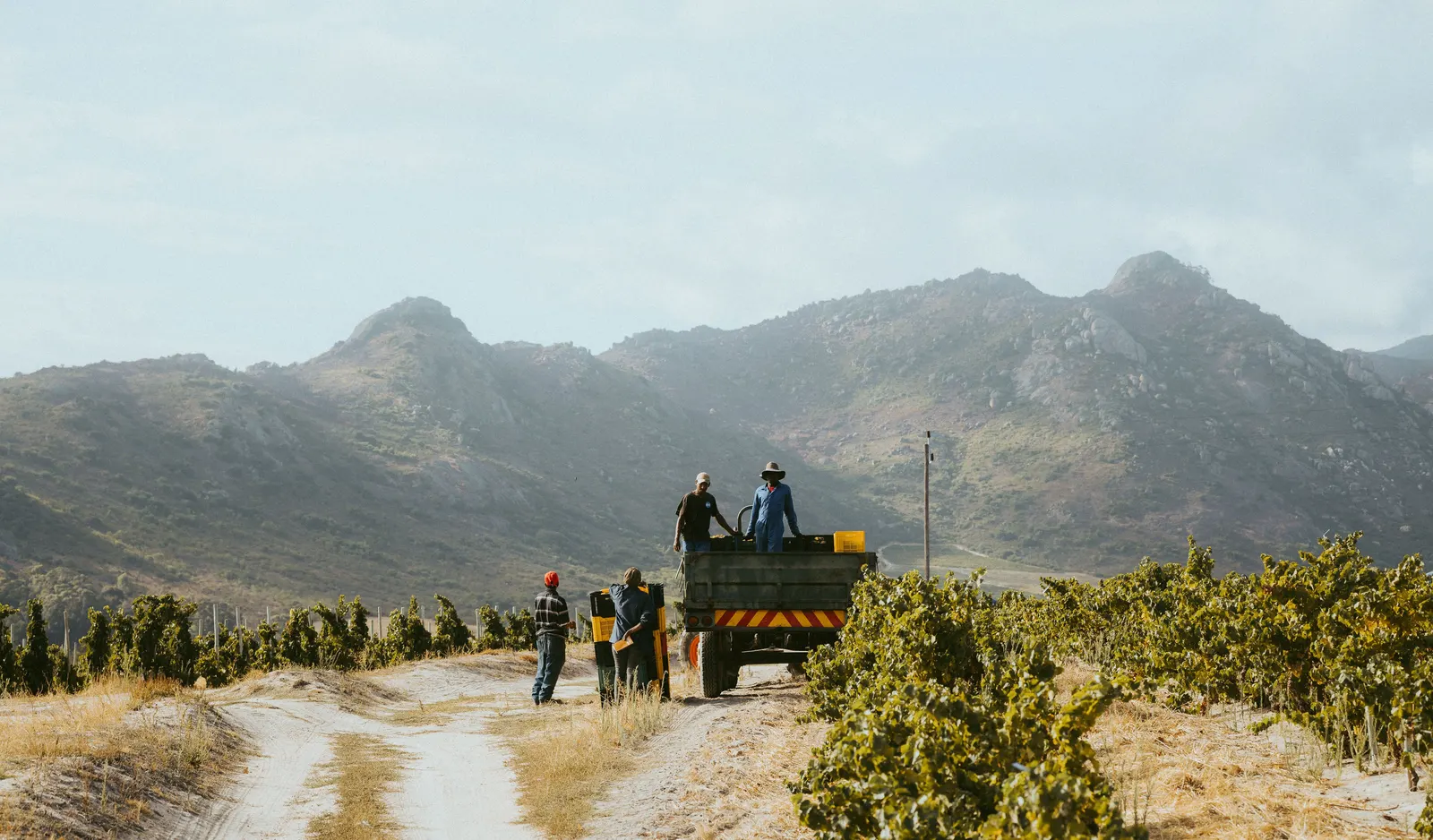 Kalmoesfontein · Riebeek Valley
One enquiry reaches every venue and supplier on this page. You do not need to contact them one by one. Send your date once and we ask the ones that fit whether they are free and what they charge. Free for couples.
Ask them all at onceIf one of you is South African and the other is not, the wedding itself is the easy part. Before any marriage officer can marry you, you both need an interview with the immigration section of the Department of Home Affairs, and afterwards the foreign partner needs a visa of their own to live here. Marriage officers can't arrange either of those. Marriage officers we work with tell us this is where most mixed couples get stuck, often only weeks before the date.
An immigration specialist deals with Home Affairs every day. They can tell you quickly whether your dates are realistic, what the foreign partner's documents must look like, and which visa to apply for after the wedding.
TipLast checked: 11 November 2026. This page is general information, not legal or immigration advice. Immigration rules and Home Affairs practice change, and court rulings have changed some of them, so confirm your own case with a registered immigration practitioner or attorney.
When it's worth getting help
- Your wedding is less than three months away and you don't have a Home Affairs interview date yet.
- You live overseas and will only be in South Africa for a few weeks around the wedding.
- The foreign partner's visa expires soon, or they are on a visa that doesn't allow them to stay long.
- Either of you was married before, or the foreign partner's country doesn't issue a standard letter of no impediment.
- You want the foreign partner to live and work in South Africa after the wedding.
- A previous application was refused, or you were told you can't apply from inside the country.
What an immigration specialist does
- Checks your dates against how long the Home Affairs interview actually takes to get at your office, and tells you honestly if the plan won't work.
- Lists the documents the foreign partner needs from their home country, including apostilles and sworn translations, and checks them before you queue.
- Prepares you for the interview, and in some cases helps with booking it.
- Advises on the visa after the wedding: a spousal or life-partner visa, work rights, and later permanent residence.
- Prepares and submits the visa application through VFS, and follows up when Home Affairs is slow.
Registered immigration practitioners and immigration attorneys both do this work. Ask whether the person you speak to is a member of the Forum of Immigration Practitioners of South Africa (FIPSA) or an admitted attorney, and get the fee in writing before you start.
If the interview can't happen before your date
Interview dates at Home Affairs are hard to get, especially between November and January, and couples flying in for a December wedding often find there is no slot in time. You still have options:
- Hold the ceremony on the planned day as a symbolic wedding with a celebrant, and sign the legal marriage later, once the interview is done. Guests won't know the difference. See our symbolic ceremony guide.
- Marry legally in the country where you live, and hold the celebration here.
- Move the legal signing to a later trip and book the interview now.
Which of these is best depends on where you live and what visa the foreign partner will need. An immigration specialist can tell you which route causes the least trouble later.
Related guides
- Marrying a foreigner in South Africa: documents, the Home Affairs interview and timeline.
- Spousal visa after marrying a South African: what the marriage does and doesn't change.
- Getting married in South Africa as a foreigner: when both of you are foreign.