Guide
South African wedding traditions, and how to bring them to a Winelands wedding
Updated 17 November 2026
Lobola and umabo, langarm dancing, kitchen teas, koeksisters and a Pinotage toast: the traditions of South Africa's cultures and how couples weave them into a wine estate wedding.
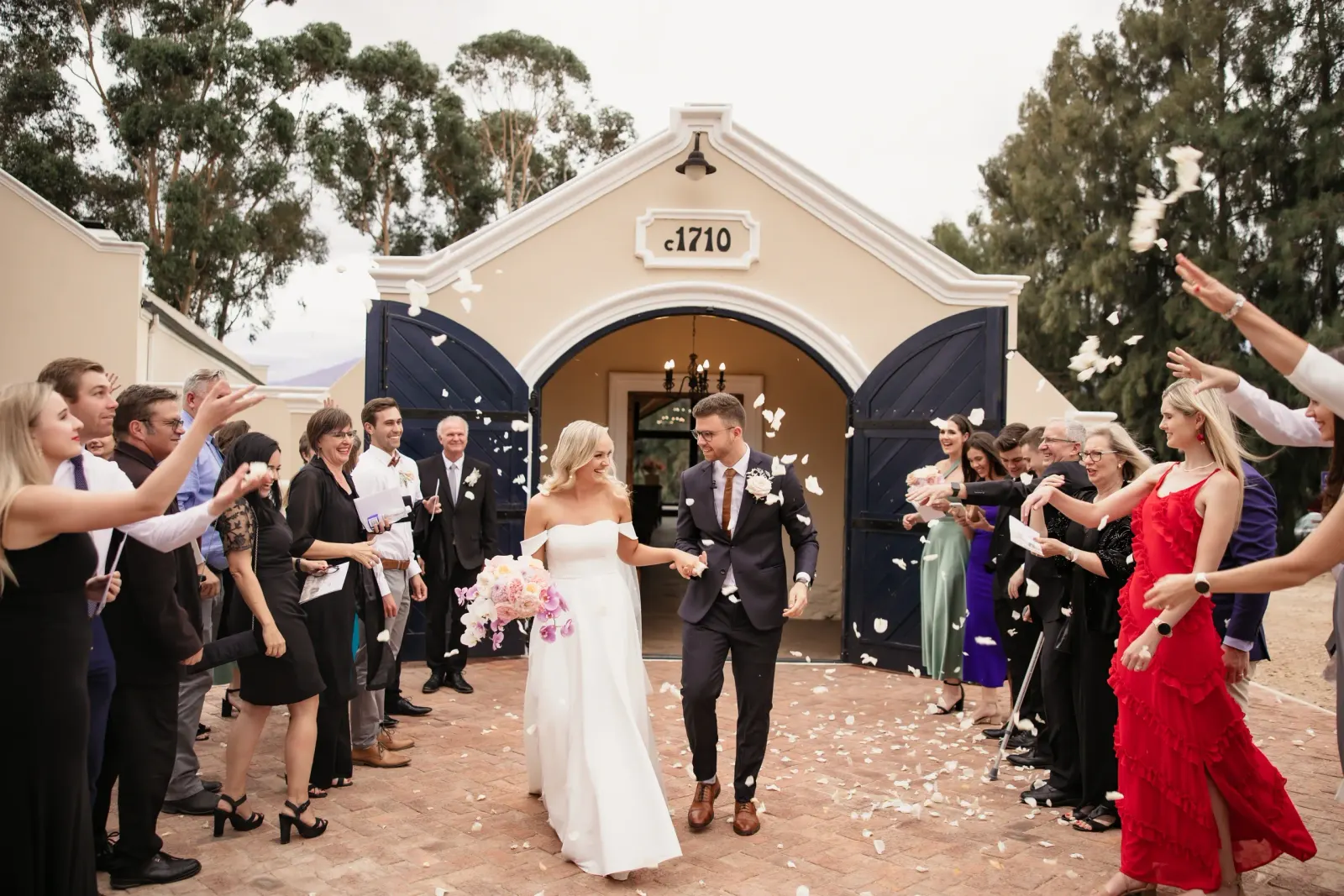 Morgansvlei Country Estate · Tulbagh
One enquiry reaches every venue and supplier on this page. You do not need to contact them one by one. Send your date once and we ask the ones that fit whether they are free and what they charge. Free for couples.
Ask them all at onceSouth Africa has many cultures and many wedding traditions, and some of the most memorable Winelands weddings bring two families' customs together. This is a short tour of the traditions you are most likely to meet, and practical ways to include them at an estate wedding.
Local touches anyone can add
- Toast with Méthode Cap Classique, South Africa's traditional-method sparkling wine, made by many Winelands estates.
- Pour Pinotage, the grape created at Stellenbosch University in 1925 and grown almost nowhere else in quantity.
- Serve South African desserts: koeksisters, melktert (milk tart) or malva pudding alongside or instead of the cake.
- Have a braai, or a potjie cooked over the fire, at the welcome or the day-after lunch.
- Give guests a bottle of the estate's wine or a jar of local fynbos honey as the favour.
- Decorate with proteas and fynbos, the Cape's own flowers.
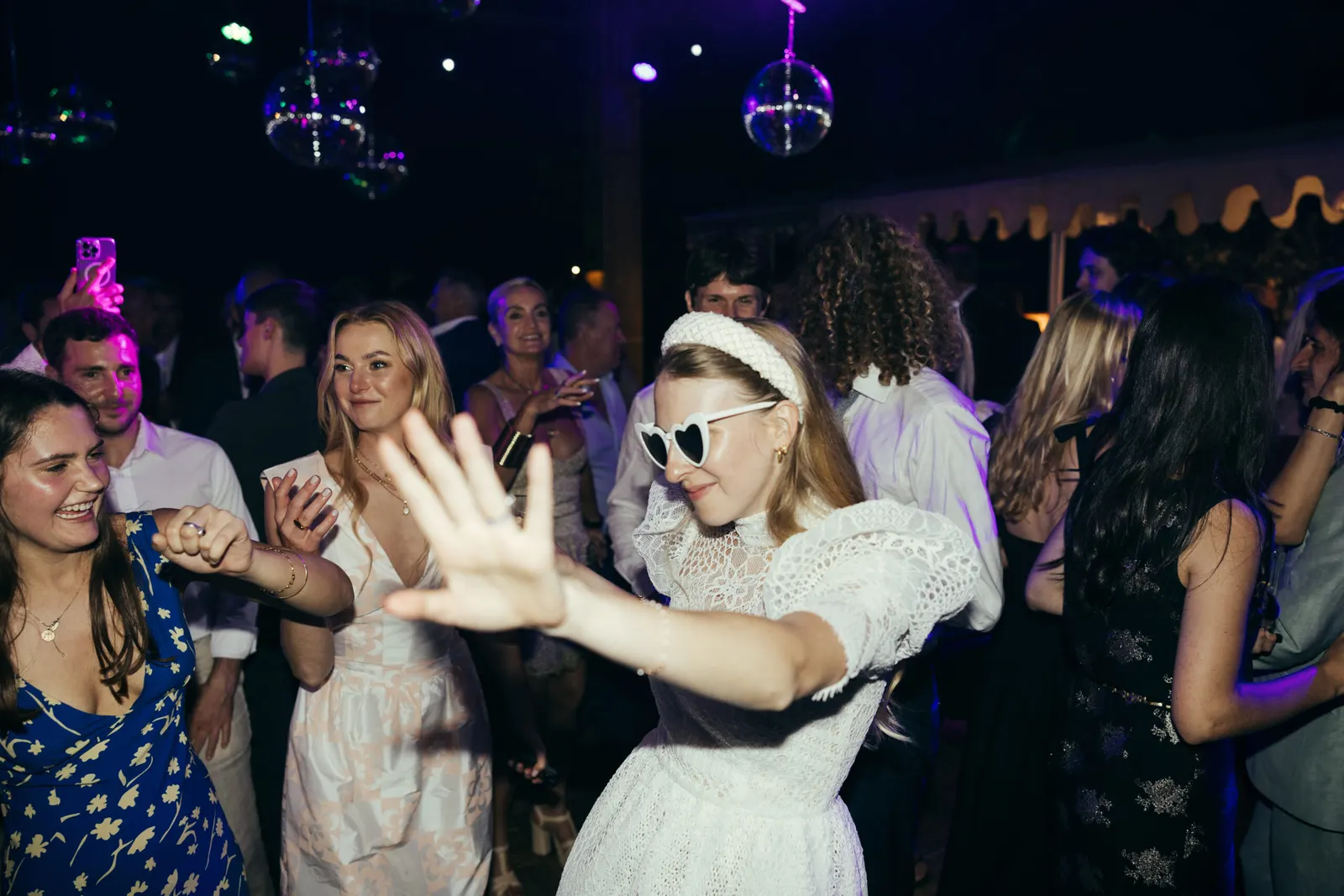
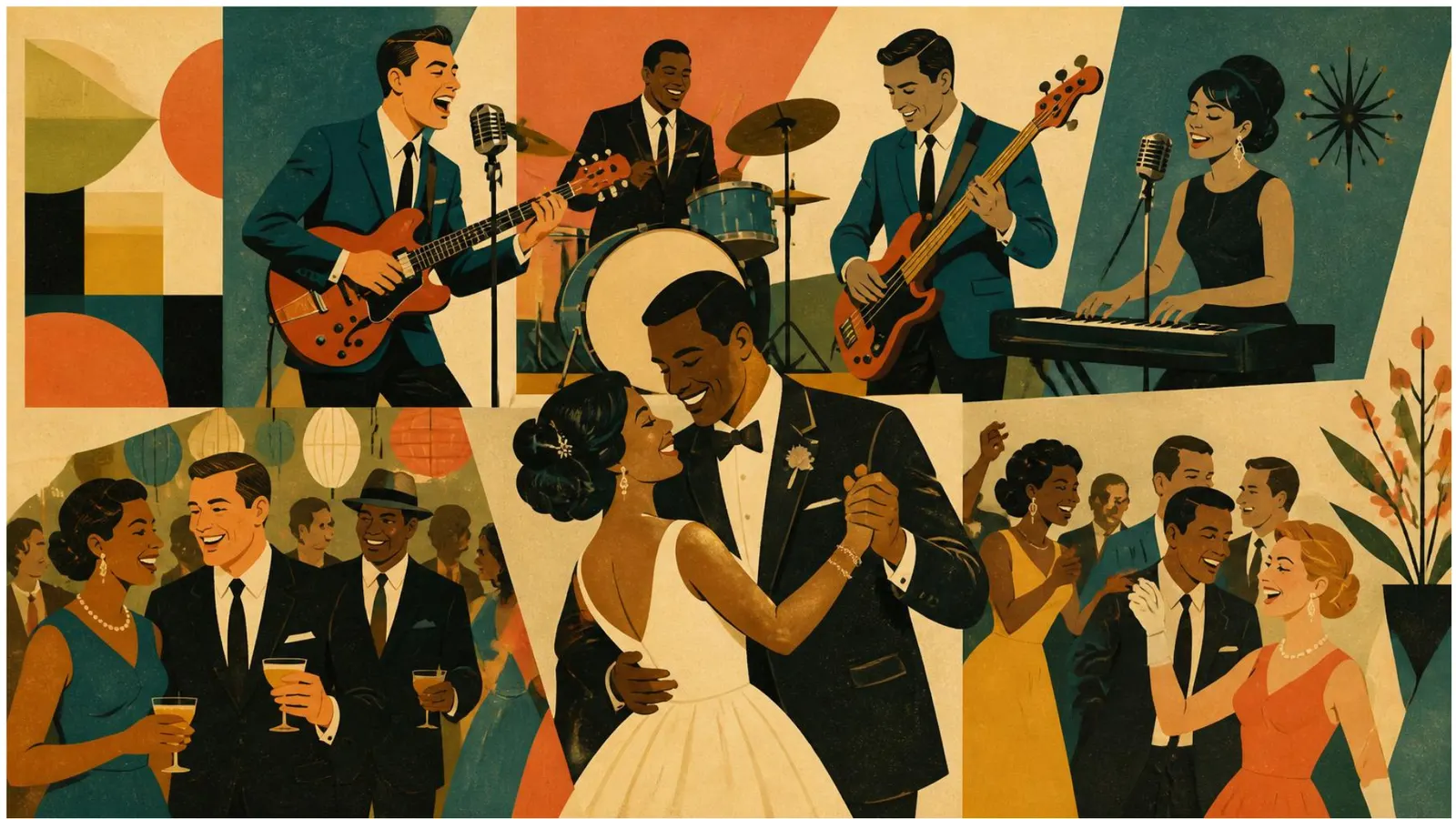
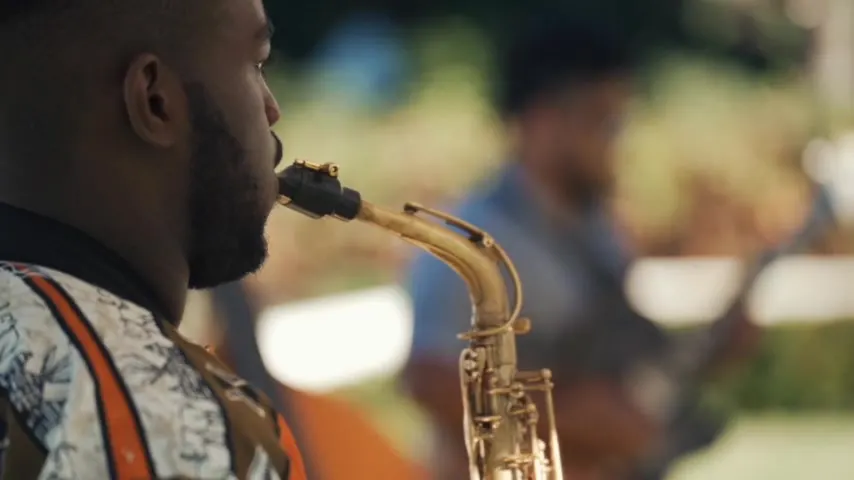
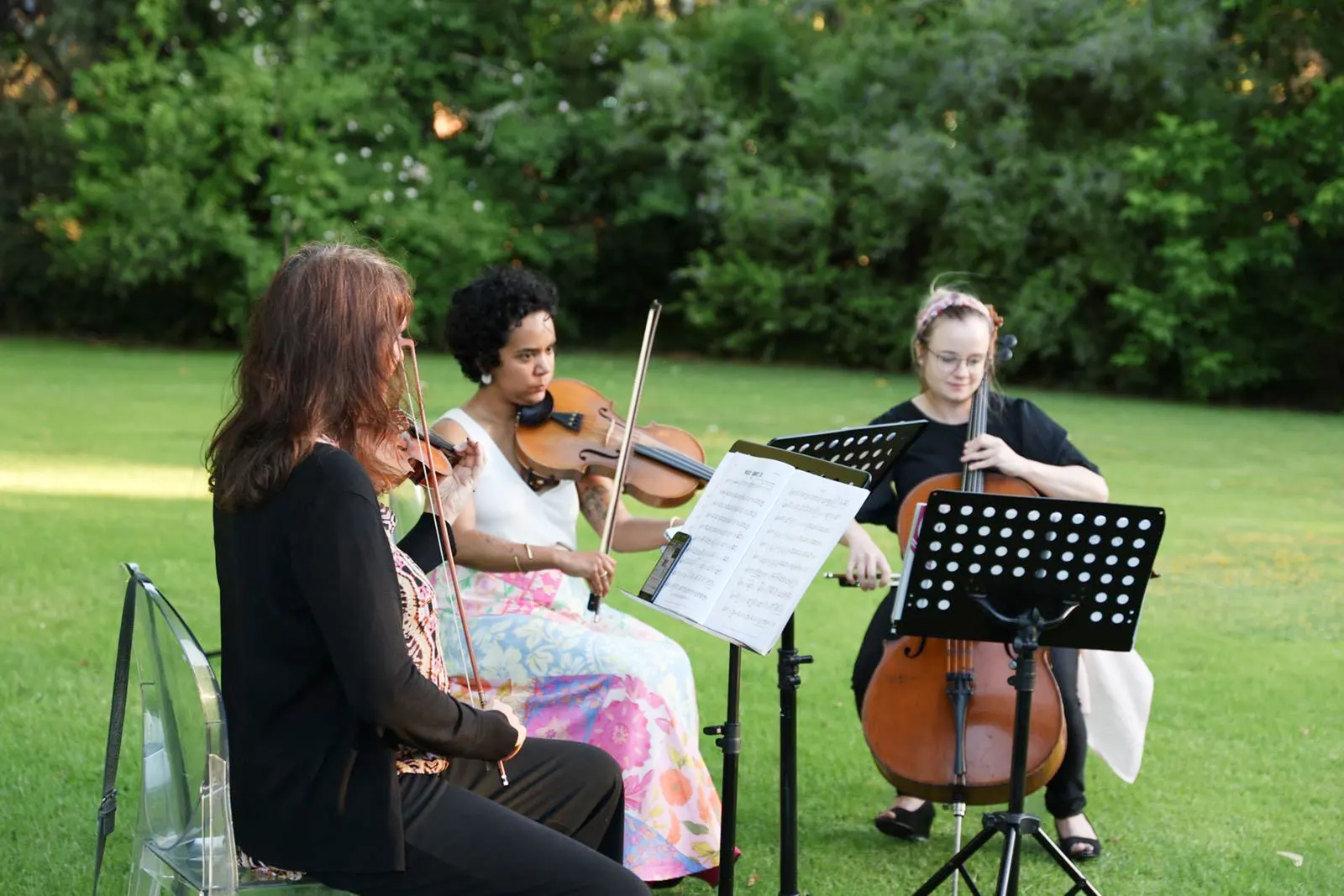
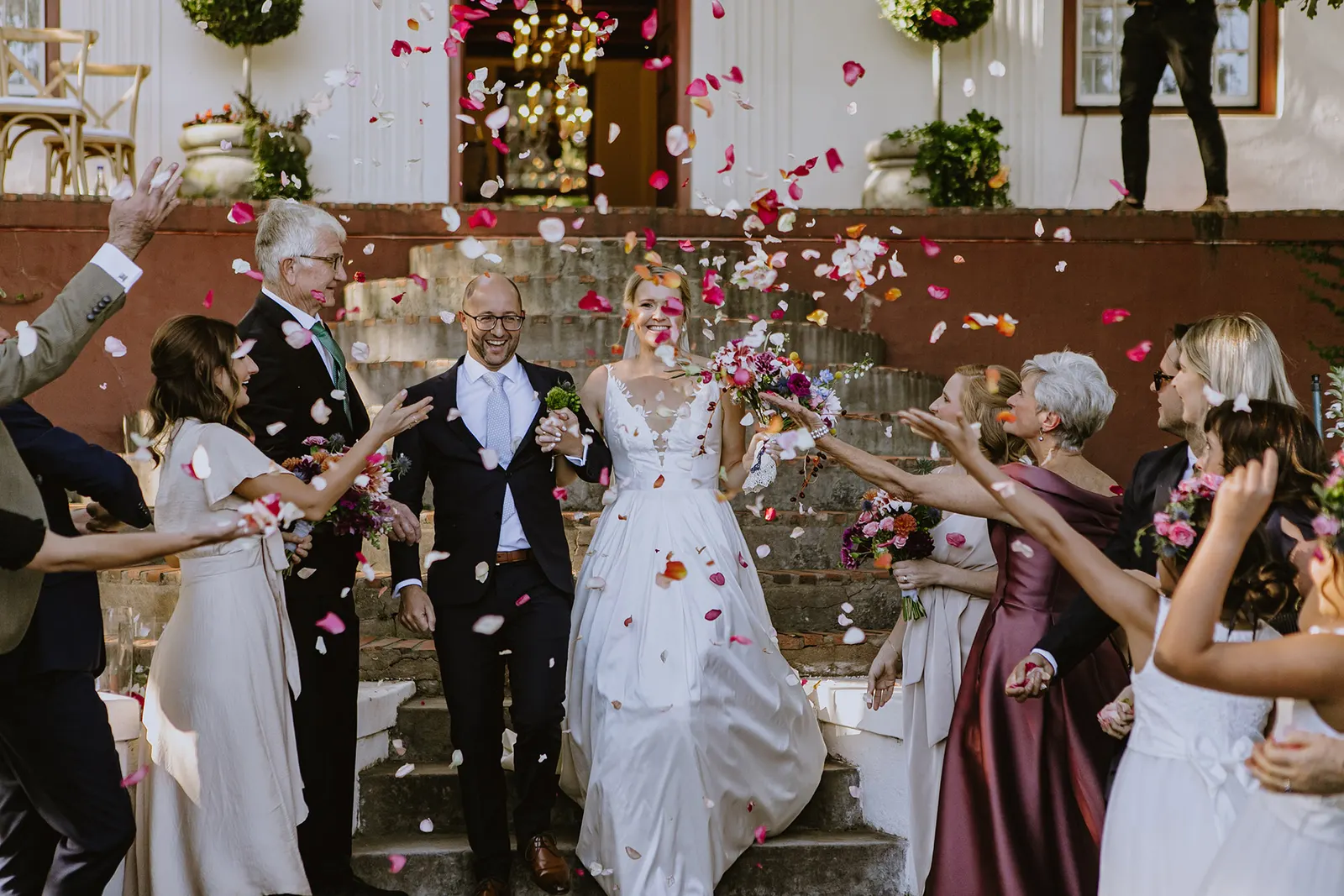
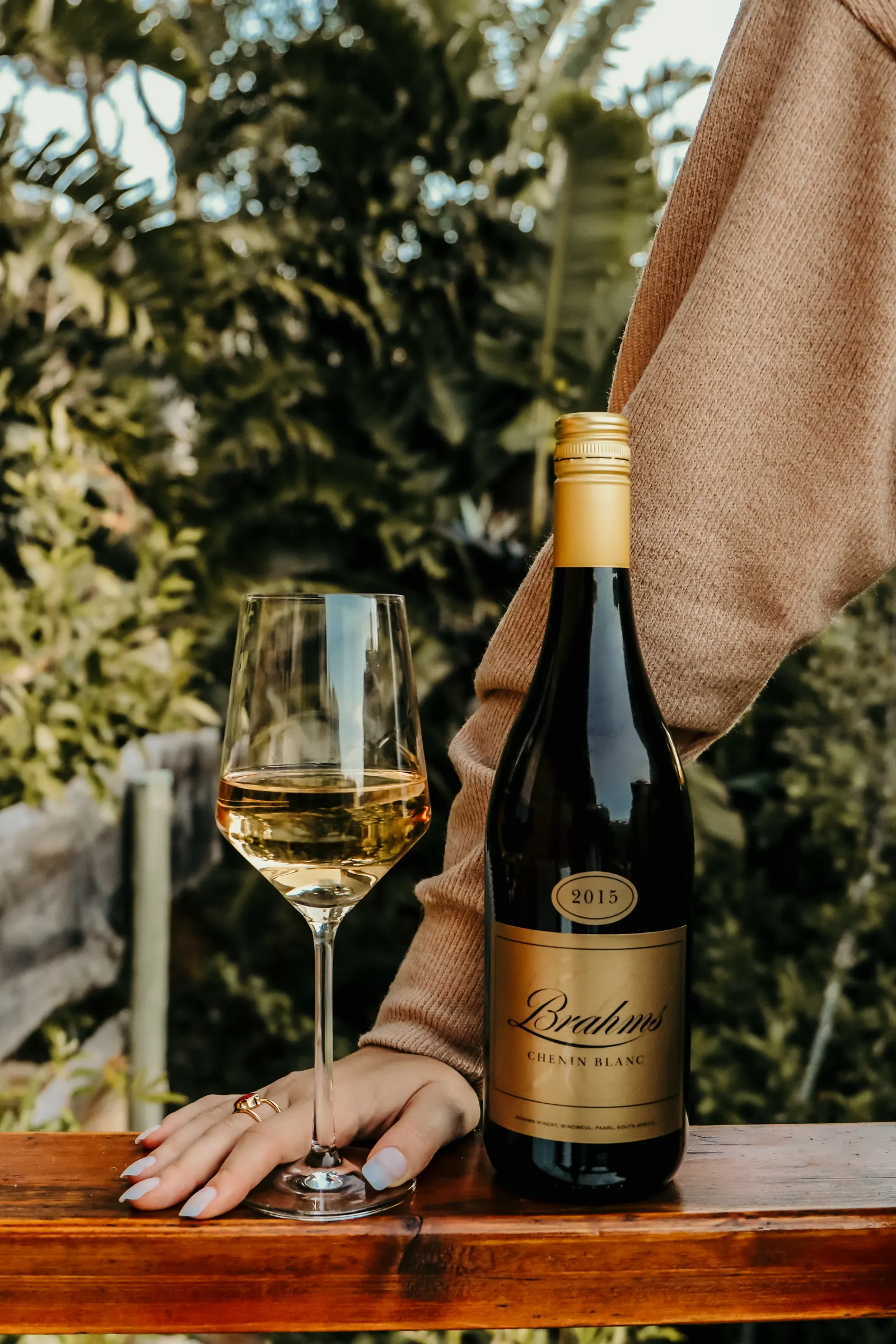
A Pinotage toast, koeksisters with the coffee, and a langarm dance that pulls every generation onto the floor.
Afrikaans and Cape traditions
- The kitchen tea: South Africa's version of the bridal shower, often with practical gifts for the home.
- Langarm or sokkie dancing: a fast, partnered two-step to boeremusiek. A langarm set is a sure way to get grandparents dancing.
- Speeches from the father of the bride and the groom, often in both Afrikaans and English at mixed-language weddings.
- A church ceremony in a Dutch Reformed church, many of them in historic town centres such as Stellenbosch, Paarl and Tulbagh.
Zulu, Xhosa and other African traditions
For many couples the wedding is a series of ceremonies. Lobola, the negotiation between families and the bride price paid to her family, comes first. Zulu families may then hold umembeso, the gift-giving ceremony, and umabo, the traditional wedding where the bride's family presents gifts to the groom's. Xhosa, Sotho, Tswana and other cultures have their own ceremonies and attire. Many couples hold the traditional ceremony at home and a white wedding at a Winelands venue, or bring both into one weekend with a change of outfit between them.
TipAsk the venue early about space for a second ceremony, a change of outfits, and caterers or cooks for traditional dishes. Some estates allow an outside cook for a specific part of the day.
Indian South African traditions
Indian South African weddings, Hindu and Tamil especially, often run over several days with pre-wedding rituals such as the mehndi and haldi, then the main ceremony. Some Winelands estates host multi-day celebrations, and Paarl venues such as Ashanti offer Halaal menus. Check the venue's policy on open flames for the ceremony and on outside caterers.
Muslim and Cape Malay weddings
A nikah can be held at home or a mosque with the celebration at a venue, or the whole day can be at an estate that offers Halaal catering and a dry or separate bar. For the marriage to be recorded civilly, also involve a designated marriage officer; see the legal checklist.
Mixing traditions from abroad
Couples marrying in the Winelands from abroad often bring their own customs: a Scottish ceilidh, a Dutch or German tradition, a Jewish chuppah. Estates are used to all of them. Tell the venue and the marriage officer early, and they will help you fit it to the setting. For legal steps when one of you is foreign, see marrying a foreigner in South Africa.
Making it work on the day
- Build the extra ceremonies into the run sheet with real time for outfit changes.
- Choose a photographer and DJ who know the traditions you are including.
- Explain traditions to guests in the programme or on the wedding website.
- Check the venue's rules on open fires, outside cooks and music for the traditional part.